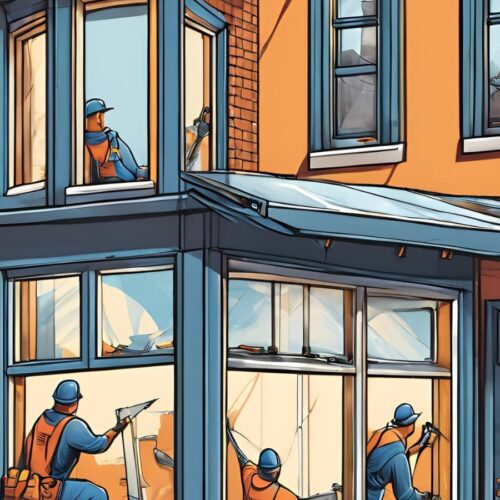
Granite, with its timeless elegance and durability, has become a staple in homes and businesses alike. Whether it’s a kitchen countertop, bathroom vanity, or flooring, working with granite requires specialized granite tools to achieve precise cuts, smooth finishes, and stunning installations. This article explores the essential tools every professional should have in their toolkit to master the art of granite fabrication and installation.
Why Specialized Tools are Crucial for Granite Work
Granite is a natural stone known for its hardness and density. Unlike softer materials like wood or drywall, working with granite requires tools specifically designed to handle its unique properties. Using the right tools ensures:
- Precision and Accuracy: Granite work demands precision, especially when cutting and shaping intricate pieces. Specialized tools provide the accuracy needed for seamless installations.
- Efficiency and Productivity: The right tools can significantly speed up the fabrication and installation process, increasing productivity and efficiency.
- Safety: Granite work can be physically demanding and potentially hazardous. Using appropriate tools helps ensure safety and minimizes the risk of injuries.
- Quality Finish: Achieving a flawless finish on granite requires specialized tools for polishing and honing.
Essential Granite Tools for Professionals
1. Measuring and Marking Tools
Accurate measurements are crucial for precise granite fabrication. Essential measuring and marking tools include:
- Tape Measure: A durable tape measure with a long reach for measuring slabs and countertops.
- Combination Square: Used for marking straight lines and checking for square corners.
- Level: Ensures surfaces are level during installation.
- Marking Pencils: Specifically designed for marking on granite surfaces.
2. Cutting Tools
Cutting granite requires powerful tools equipped with diamond blades to slice through the hard stone. Essential cutting tools include:
- Bridge Saw: A heavy-duty saw used for making straight cuts in granite slabs.
- Angle Grinder: A versatile tool with diamond blades for making smaller cuts, shaping edges, and grinding.
- Circular Saw with Diamond Blade: This can be used for making straight cuts in granite tiles or thinner slabs.
- Wet Tile Saw: Ideal for cutting smaller granite tiles with precision.
3. Shaping and Polishing Tools
Achieving a smooth and polished finish on granite requires specialized tools for shaping and polishing edges. These include:
- Granite Router: Used with diamond router bits to shape and profile edges.
- Granite Polishing Pads: Used with a variable-speed polisher to achieve different levels of polish, from a matte honed finish to a high-gloss shine. Granite polishing pads come in various grits, progressing from coarse to fine to achieve the desired finish.
- Handheld Polishers: Smaller polishers for detail work and hard-to-reach areas.
4. Drilling Tools
Drilling holes in granite requires specialized diamond drill bits to penetrate the hard stone. Essential drilling tools include:
- Diamond Core Bits: Used with a drill to create holes for sinks, faucets, and other fixtures.
- Diamond Hole Saws: Used for larger diameter holes.
5. Installation Tools
Proper installation ensures the longevity and stability of granite countertops and other installations. Essential installation tools include:
- Suction Cups: Used for lifting and maneuvering heavy granite slabs.
- Shims: Used to level and support granite countertops during installation.
- Clamps: Securely hold granite pieces together during installation.
- Adhesives and Sealants: Specialized adhesives and sealants for bonding granite to substrates and sealing seams.
6. Safety Gear
Protecting yourself from potential hazards is crucial when working with granite. Essential safety gear includes:
- Safety Glasses: Protect your eyes from dust and debris.
- Dust Mask or Respirator: Prevent inhalation of granite dust, which can be harmful to the lungs.
- Gloves: Protect your hands from cuts and abrasions.
- Ear Protection: Reduce noise exposure from power tools.
Tips for Choosing and Using Granite Tools
- Quality Matters: Invest in high-quality tools from reputable brands. Quality tools offer better performance, durability, and safety.
- Choose the Right Tool for the Job: Different tasks require specific tools. Select the appropriate tool for each step of the process.
- Follow Manufacturer’s Instructions: Always read and follow the manufacturer’s instructions for using and maintaining your tools.
- Safety First: Prioritize safety by wearing appropriate safety gear and following safe working practices.
- Proper Maintenance: Regularly clean and maintain your tools to ensure their longevity and optimal performance.
Conclusion
Working with granite requires specialized granite tools to achieve professional results. From precise cutting to achieving a flawless polish, each step demands the right equipment. For instance, achieving a high-gloss finish often involves using a variety of granite polishing pads with different grits to progressively refine the surface.
By having the essential tools mentioned in this article, professionals can ensure precision, efficiency, and safety in their granite fabrication and installation projects. Remember to invest in quality tools, choose the right tool for the job, and prioritize safety. With the right tools and expertise, professionals can transform granite into stunning works of art that enhance homes and businesses for years to come.